Common Questions About Pediatric Dentistry
Helpful Answers from a Pediatric Dentist in New Hampshire
Common Questions
Which insurances does Great Outdoors Pediatric Dentistry accept?
We are in-network with most Delta Dental plans and accept NH Medicaid on a referral basis. If you have a different insurance provider, our team will gladly submit claims for you as a courtesy.
What is the difference between a pediatric dentist and a general dentist?
A pediatric dentist receives specialized training in children’s dental care, including managing growth and development, treating young patients, and creating a child friendly environment. This makes pediatric dentistry ideal for infants, children, and teens.
Are baby teeth really that important?
Yes, baby teeth play a critical role in your child’s development. They help with chewing, speech, and holding space for permanent teeth. Proper children’s dental care in New Hampshire includes maintaining healthy baby teeth until they naturally fall out.
What should I do if my child has a dental emergency?
If your child experiences tooth pain, swelling, or dental trauma, contact a pediatric dentist in New Hampshire immediately. Prompt care can prevent complications and help protect your child’s smile.
When should I take my child to the dentist?
Your child should visit a pediatric dentist in New Hampshire by their 1st birthday or within 6 months of their first tooth erupting. Early visits help establish healthy habits and allow for early detection of potential concerns.
How often should my child see a dentist?
Most children should visit a kids dentist every 6 months for routine exams and cleanings. Regular visits are essential for maintaining strong oral health and preventing cavities.
What kind of toothbrush is most recommended?
We recommend a soft bristled brush for the optimal health of your gums. We also suggest a small headed brush to get around each tooth more thoroughly. The Philips Sonicare for Kids has received outstanding reviews and may be a great mechanical option.
Does my child need to Floss?
Yes, it is important to floss daily because flossing removes plaque between teeth where it is hard for a toothbrush to reach. A major contributing factor to gum disease is caused by not flossing. Once a child’s teeth start to fit closely together, usually between the ages of two and six, parents should start to get their children in the habit of flossing daily.
How can I prevent cavities in my child’s teeth?
Cavity prevention includes brushing 2 times daily with fluoride toothpaste, flossing regularly, limiting sugary foods, and visiting a kids dentist for routine care. Preventive treatments like fluoride and sealants also help protect teeth.
How do I tell if my child has gum disease?
The best source is your dentist. Because gum disease is painless as it begins, it is crucial to schedule regular dental exams to discover if gum disease is occurring. Symptoms of gum disease include consistent bad breath, receding gums, red or bleeding gums, new spaces between teeth and loose teeth. If you think your child has gum disease, schedule an exam as soon as possible.
Are silver amalgam-type fillings safe?
Silver Diamine Fluoride is a minimally invasive treatment used to stop early cavities from progressing. It is often recommended for younger children or those who may not tolerate traditional treatment.
There have been some concerns about silver-colored fillings or amalgam fillings because amalgams contain mercury which can be toxic. A number of individuals believe these amalgam fillings are responsible for causing a number of diseases, including autism, Alzheimer's disease, and multiple sclerosis.
The American Dental Association (ADA), the FDA, and numerous public health agencies say amalgams are safe, and that any link between mercury-based fillings and disease is unfounded. However, if amalgam fillings still cause you concern, there are a number of other materials we can use.
Should I wait for my child to be exposed to an X-rays?
Fortunately, the dose of radiation your child is exposed to during a dental X-rays is extremely small. Our office uses the most advanced systems which has given us digital X-Rays that drastically reduce radiation exposure. The radiation your child is exposed by the sun, minerals in the soil and appliances in your home within a year is 20 times more radiation exposure than a dental X-ray. That's only 0.2% of all radiation exposure the average person receives.
What are dental sealants and does my child need them?
Sealants are a thin, plastic coating that is painted on the chewing surfaces of the teeth to prevent tooth decay. The sealant quickly bonds into the depressions and groves of the teeth forming a protective shield over the enamel of each tooth. Children and Teens are at higher risk of developing decay in and are therefore the best candidates for dental sealant protection.
Is sedation dentistry safe for children?
Yes, sedation dentistry is safe when provided by a trained pediatric dentist. Options like nitrous oxide and oral sedation help children feel calm and comfortable during treatment. Your dentist will recommend the safest option based on your child’s needs.
What are clear aligners and are they right for my child?
Clear aligners are a modern orthodontic option used to gently straighten teeth without brackets or wires. They are typically recommended for older children and teens with mild to moderate alignment concerns.
When do permanent teeth come in?
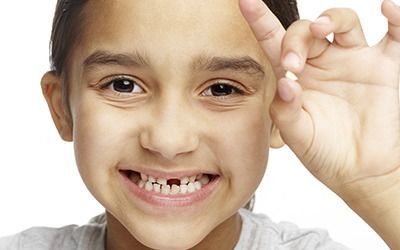
Permanent teeth usually begin to erupt around age 6 and continue through the early teen years. Regular visits to a pediatric dentist in New Hampshire help monitor this process and ensure proper development.
At what age should a child have their first dental visit?
The American Academy of Pediatric Dentistry recommends scheduling the first visit by age one or within six months after the first tooth erupts. Early visits establish a dental home, allow the dentist to assess oral development, and help parents learn proper cleaning techniques before habits form.How is pediatric dentistry different from general dentistry?
Pediatric dentists complete two to three additional years of specialized training beyond dental school, focusing on child development, behavior management, and treating primary teeth. This training covers age-specific techniques for communication, anxiety reduction, and handling dental issues unique to growing mouths.What should I do if my child knocks out a permanent tooth?
Find the tooth, hold it by the crown without touching the root, and rinse gently with water if dirty. Try to reinsert it into the socket if possible, or keep it in milk or saliva. Get to a dentist within 30 minutes—immediate reimplantation significantly improves the chance the tooth will survive.When do kids typically lose their baby teeth?
Primary teeth usually begin falling out around age six, starting with the lower central incisors, and continue through age twelve. The sequence generally follows the order teeth originally erupted. If a baby tooth is lost much earlier due to decay or injury, a space maintainer may be needed to prevent crowding.Are dental X-rays safe for children?
Pediatric dental X-rays use extremely low radiation doses—about the same exposure as a few hours of natural background radiation. Digital X-rays reduce exposure by up to 90% compared to traditional film. Lead aprons and thyroid collars provide additional protection during imaging.How do you help anxious kids feel comfortable during dental visits?
Pediatric offices use child-friendly language, demonstrate procedures on stuffed animals, and allow parents in the treatment room for younger children. Distraction techniques like ceiling TVs, positive reinforcement, and tell-show-do methods help children understand what's happening before it occurs, reducing fear of the unknown.What causes cavities in baby teeth, and do they need to be treated?
Cavities develop when bacteria feed on sugars and produce acid that erodes enamel. Primary teeth hold space for permanent teeth, guide jaw development, and affect speech—untreated decay can lead to pain, infection, and orthodontic problems. Baby teeth still require fillings or crowns when cavities form.Should my child get dental sealants, and how long do they last?
Sealants are thin protective coatings applied to the chewing surfaces of back teeth, blocking bacteria from deep grooves where 80% of cavities form. They typically last five to ten years and can be reapplied if they wear down. Application is quick, painless, and doesn't require drilling.What's the best way to brush a toddler's teeth?
Use a soft-bristled brush and a rice-grain-sized smear of fluoride toothpaste under age three, increasing to a pea-sized amount after three. Brush twice daily for two minutes, angling bristles toward the gumline. Parents should brush for children until age seven or eight, when kids develop the dexterity to do it effectively alone.Why does my child need a spacer if they lose a baby tooth early?
Space maintainers are small appliances that hold open the gap left by a prematurely lost primary tooth. Without them, adjacent teeth drift into the empty space, blocking the permanent tooth's eruption path and causing crowding. Maintainers prevent the need for more extensive orthodontic treatment later.Does my child really need professional fluoride treatments?
Professional fluoride varnish delivers concentrated minerals that strengthen enamel far beyond what toothpaste alone provides. Because much of New Hampshire's water has lower natural fluoride levels, these treatments are especially valuable in the Somersworth area for closing the remineralization gap between visits.Is nitrous oxide safe for kids during dental work?
Nitrous oxide is one of the most thoroughly researched sedation options in pediatric dentistry. It reduces anxiety while keeping children awake and responsive, and the effects fully reverse within minutes of removing the mask. At Great Outdoors Pediatric Dentistry, it's recommended when anxiety prevents comfortable, safe care.What's the difference between a silver crown and a white crown?
Stainless steel crowns offer maximum durability for back molars that absorb heavy chewing forces. Tooth-colored zirconia crowns blend naturally with surrounding teeth and are preferred for front teeth where appearance matters. Dr. Wilson recommends the right option based on the tooth's location and extent of damage.How can I tell if my child has a tooth infection?
Warning signs include swelling in the gum or cheek, a persistent toothache, a pimple-like bump on the gum, fever, and pain when chewing. Tooth infections in children can spread quickly, so prompt evaluation is important. Great Outdoors Pediatric Dentistry prioritizes urgent cases to prevent complications.What is Silver Diamine Fluoride and when is it used?
Silver Diamine Fluoride (SDF) is a liquid treatment that stops cavity progression without drilling. It's applied directly to the affected tooth and works by halting decay in place. SDF is especially useful for very young or anxious children, early-stage cavities, or cases where a conventional filling isn't yet practical.When should kids start flossing, and do I need to help?
Flossing should begin as soon as two teeth touch, which can happen as early as age two or three. Parents should floss for their children until around age eight, when manual dexterity is developed enough to do it effectively alone. Our hygiene team demonstrates proper technique during every visit.Can thumb sucking or pacifiers hurt my child's teeth?
Prolonged thumb sucking or pacifier use past age three or four can affect how teeth erupt and alter jaw development, sometimes causing an open bite or shifted front teeth. Most children stop naturally, but persistent habits may lead to alignment issues. Dr. Wilson monitors for these effects and advises families on timing and strategies.What is baby bottle tooth decay and how do I prevent it?
Baby bottle tooth decay occurs when sugary liquids — formula, milk, or juice — pool around a baby's teeth during prolonged bottle use, especially at bedtime. The sustained sugar exposure feeds bacteria that erode enamel on front teeth. Prevention includes avoiding putting a child to bed with a bottle and wiping gums clean before teeth emerge.How do I prepare my child for their first dentist visit?
Talk about the visit positively and avoid words like 'shot' or 'hurt.' Try playing pretend dentist at home by counting teeth with a toothbrush. Arriving a few minutes early lets your child settle in. At Great Outdoors Pediatric Dentistry, our office is designed to feel welcoming, and our team uses child-friendly language and a show-tell-do approach throughout.When does a pediatric dentist refer a child to an orthodontist?
Dr. Wilson monitors jaw development and tooth alignment at every checkup. The American Association of Orthodontists recommends a first orthodontic evaluation around age seven, and early referrals may occur sooner if crowding, crossbites, or bite concerns are observed that benefit from interceptive treatment before all permanent teeth are in.




What Parents Are Saying
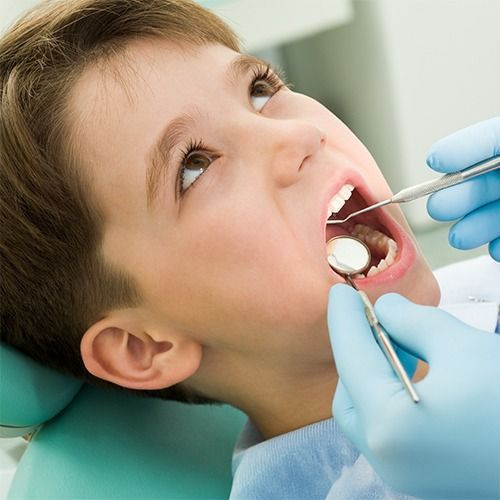
Families throughout New Hampshire trust Great Outdoors Pediatric Dentistry for compassionate, high quality pediatric dental care. Parents appreciate our friendly team, fun office environment, and the gentle approach Dr. Wilson takes with every child. We are proud to have earned the confidence of so many families and invite you to see what others are saying about their experience with our pediatric dentist and team.
Pediatric Dentistry Blog
in Somersworth, New Hampshire
Here, you will find expert insights on pediatric dental treatments, tips for making brushing and flossing easier at home, and advice on how to support your child’s long term oral health. Whether you are preparing for your child’s first dental visit or looking for ways to improve their daily routine, our blog is designed to give you the knowledge and confidence to make informed decisions for your family.
May 25, 2026
Teeth can shift during childhood and adolescence due to growth, habits, and jaw development, making regular pediatric dental…
May 11, 2026
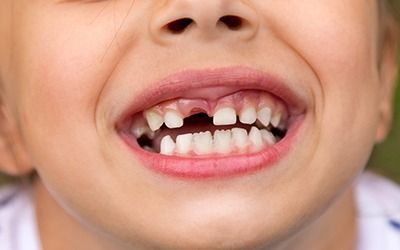
Early identification of bite issues helps support healthy jaw development, proper tooth alignment, and long-term oral health…
April 27, 2026
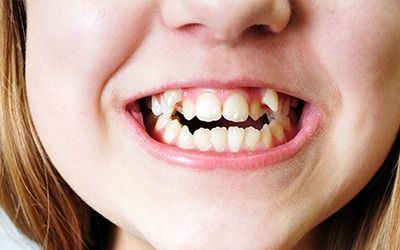
Baby teeth play a critical role in guiding permanent teeth into proper position and supporting healthy oral development.